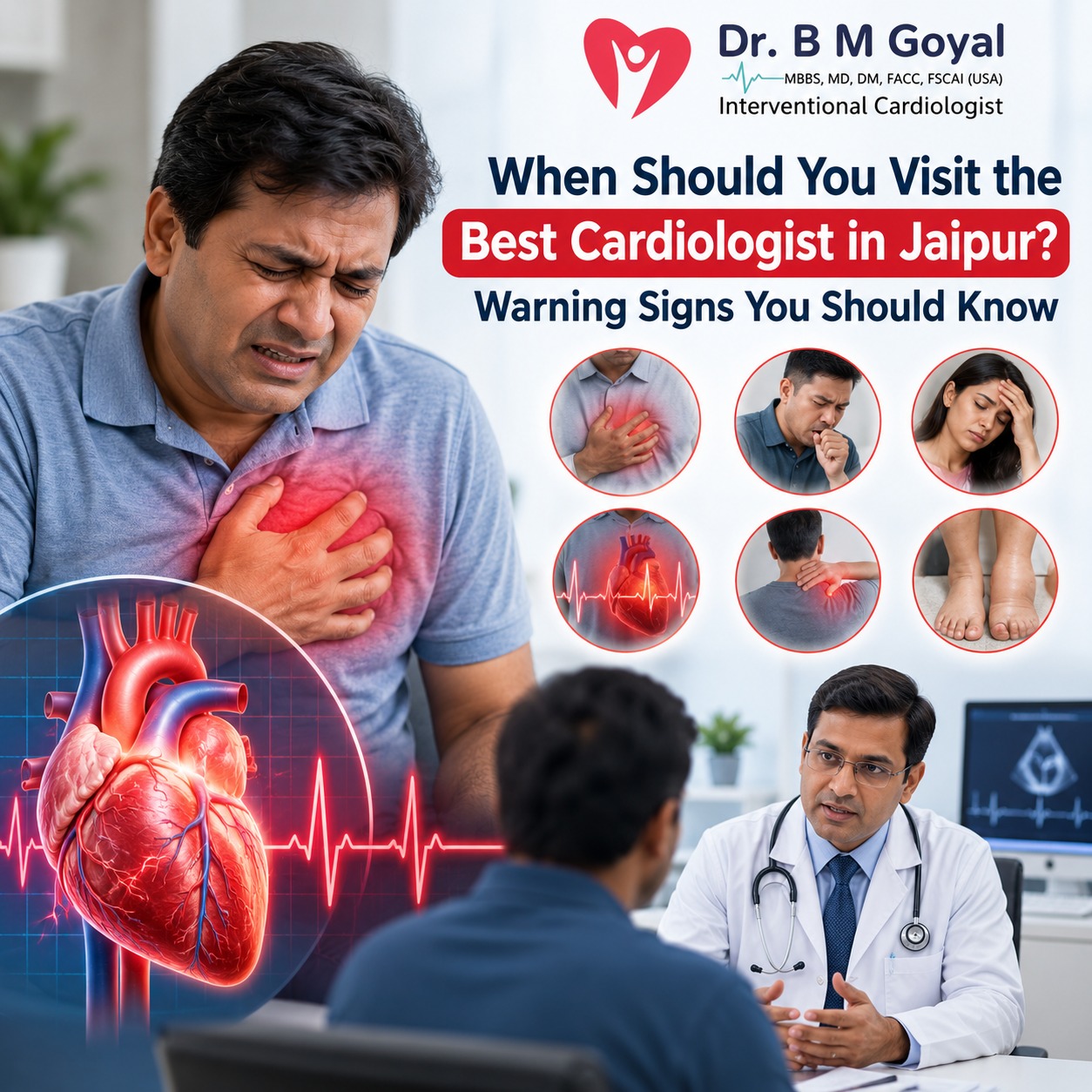
When Should You Visit the Best Cardiologist in Jaipur? Warning Signs You Should Know
Heart problems do not always begin with severe chest pain or an emergency. Sometimes, the warning signs can be mild, occasional, or easily confused with stress, tiredness, acidity, or normal ageing. Recognising these symptoms early can help you seek the right medical advice before a condition becomes more serious.
If you are experiencing recurring heart-related symptoms or have risk factors such as high blood pressure, diabetes, high cholesterol, smoking, obesity, or a family history of heart disease, consulting a qualified cardiologist can be an important step toward better heart health. For people looking for the Best Cardiologist in Jaipur, understanding when specialist evaluation may be needed is equally important.
Chest Discomfort Can Be an Important Warning Sign
Chest pain or discomfort is one of the symptoms people commonly associate with heart problems. Cardiac-related discomfort may sometimes feel like pressure, heaviness, tightness, squeezing, or discomfort in the chest. It may occur during physical activity and improve with rest, although symptoms can vary considerably between individuals. If you experience recurring or unexplained chest discomfort, consulting the Best Cardiologist in Jaipur can help with timely evaluation and appropriate cardiac care.
Chest discomfort should be taken particularly seriously when it is new, persistent, severe, or accompanied by symptoms such as breathlessness, sweating, nausea, dizziness, or discomfort extending toward the arm, shoulder, back, neck, or jaw. These symptoms can also occur in conditions unrelated to the heart, but urgent medical assessment may be necessary when a serious cardiac problem is suspected.
Why Paying Attention to Heart Warning Signs Matters
The heart continuously supplies blood and oxygen to the body. Problems affecting the heart or blood vessels can sometimes develop gradually without obvious symptoms. Conditions such as coronary artery disease, rhythm disorders, heart failure, and other cardiovascular problems may require professional evaluation.
Some symptoms deserve particular attention, especially when they are new, persistent, recurrent, or occur during physical activity.
Common warning signs can include:
-
Chest pain, pressure, tightness, or discomfort
-
Shortness of breath
-
Unusual or persistent fatigue
-
Palpitations or an irregular heartbeat sensation
-
Dizziness or unexplained fainting
-
Swelling in the legs, ankles, or feet
-
Reduced ability to perform usual physical activities
-
Discomfort spreading toward the arm, shoulder, back, neck, or jaw
These symptoms can have several possible causes, so they should not automatically be assumed to indicate heart disease. A cardiologist can assess the symptoms and determine whether further evaluation is appropriate.
Shortness of Breath Should Not Always Be Considered Normal
Breathlessness after intense physical activity can be expected, but unexplained or recurring shortness of breath may require medical evaluation. Some people may notice that activities they previously performed comfortably now leave them unusually breathless or tired. In certain situations, breathlessness can be associated with cardiovascular conditions, although respiratory and other health problems can also cause similar symptoms.
If breathlessness occurs repeatedly, particularly alongside chest discomfort, dizziness, palpitations, swelling, or reduced exercise tolerance, it is sensible to discuss the symptoms with a healthcare professional. The doctor may consider your medical history and perform appropriate examinations or investigations to understand the underlying cause.
When Should You See a Cardiologist?
You do not necessarily need to wait for a major cardiac event before consulting a heart specialist. A cardiology consultation may be appropriate when symptoms are recurring, unexplained, or associated with known cardiovascular risk factors.
1. You Experience Recurring Chest Discomfort
Chest discomfort can have many causes, including digestive, muscular, respiratory, and cardiac conditions. However, recurring pressure, heaviness, tightness, or discomfort particularly during exertion should not be ignored.
A cardiologist may evaluate your medical history, symptoms, blood pressure, heart rhythm, and other relevant factors before recommending further tests if needed.
2. You Feel Short of Breath Without an Obvious Reason
Breathlessness after intense physical activity can be normal, but unexplained or recurring shortness of breath deserves attention. It can sometimes be associated with cardiovascular or respiratory conditions.
If breathlessness occurs with chest discomfort, dizziness, unusual fatigue, or reduced exercise tolerance, professional medical evaluation becomes particularly important.
3. You Notice Frequent Palpitations
A sensation of your heart racing, pounding, fluttering, or skipping beats is commonly described as palpitations. Occasional palpitations may have harmless causes, but frequent or prolonged episodes should be discussed with a healthcare professional.
Cardiology evaluation may help identify whether an abnormal heart rhythm is involved and whether additional monitoring is required.
4. You Have High Blood Pressure or High Cholesterol
High blood pressure and high cholesterol may not cause noticeable symptoms, yet they can contribute to cardiovascular risk over time.
Regular monitoring and appropriate management can help reduce long-term risks. Depending on your individual health profile, your doctor may recommend lifestyle measures, medication, investigations, or specialist consultation.
5. You Have Diabetes or a Family History of Heart Disease
Certain health conditions and family factors can increase cardiovascular risk. People with diabetes or a strong family history of heart disease may benefit from discussing their heart-health needs with a qualified medical professional.
The appropriate frequency of cardiovascular assessment depends on individual risk factors, age, medical history, and symptoms.
Signs That May Require Prompt Medical Attention
Some symptoms should not be ignored or managed by simply waiting for them to disappear.
Seek urgent medical attention if you experience symptoms such as:
-
Severe or persistent chest pain or pressure
-
Significant difficulty breathing
-
Fainting or loss of consciousness
-
Sudden severe weakness
-
Chest discomfort accompanied by sweating, nausea, or breathlessness
-
Symptoms that are rapidly worsening
A suspected heart attack or other serious cardiac emergency requires immediate medical care. Do not delay emergency evaluation while attempting to determine the exact cause yourself.
What Happens During a Cardiology Consultation?
A cardiology consultation generally begins with a discussion about your symptoms, medical history, family history, lifestyle, existing health conditions, and current medicines. The doctor may also review previous medical reports and investigate factors that could influence your cardiovascular health. This initial assessment helps the specialist understand your individual situation rather than relying on a single symptom.
Depending on the clinical requirement, investigations such as an ECG, echocardiogram, blood tests, blood pressure assessment, heart rhythm monitoring, stress testing, or coronary imaging may be considered. Not every patient requires all of these tests. The appropriate investigations depend on the symptoms and findings during the medical evaluation.
When Is a Pacemaker Considered?
A pacemaker is a medical device used in selected patients when the heart's natural electrical system does not maintain an adequate heart rate or rhythm.
People may be evaluated for pacemaker implantation when they have certain types of slow heart rhythms or conduction problems. Symptoms associated with such conditions can include dizziness, fainting, unusual tiredness, or reduced exercise tolerance.
If a pacemaker has been recommended, choosing an experienced cardiac specialist is an important decision. Someone searching for the Best Doctor for Pacemaker Device in Jaipur should consider the doctor's relevant cardiac expertise, experience with device-based treatments, hospital facilities, and the availability of appropriate follow-up care.
Importantly, a pacemaker is not required for every person who experiences palpitations, dizziness, or a slow pulse. The decision depends on the underlying rhythm problem and individual clinical assessment.
Why Choosing the Right Cardiologist Matters
Cardiac care often involves more than identifying a symptom. Depending on the patient's condition, it may involve diagnosis, medical management, interventional procedures, rhythm evaluation, device therapy, or long-term follow-up.
Dr. BM Goyal is an interventional cardiologist whose professional profile includes cardiac care and procedures such as angiography, angioplasty, electrophysiology, pacemaker implantation, and other cardiac interventions. Patients should discuss their individual symptoms and treatment options directly with a qualified specialist rather than relying on online information alone.
When choosing a cardiologist, patients can consider factors such as relevant qualifications, clinical experience, areas of expertise, hospital support, diagnostic facilities, and the availability of appropriate follow-up care.
Conclusion
Knowing the warning signs of cardiovascular problems can help you make timely decisions about your health. Recurring chest discomfort, unexplained breathlessness, palpitations, dizziness, fainting, and reduced exercise tolerance should not simply be ignored, particularly when you have existing heart-risk factors.
If you are looking for the Best Cardiologist in Jaipur, focus on finding a qualified specialist whose expertise matches your cardiac needs. For patients being evaluated for rhythm disorders or device-based treatment, specialist assessment is especially important before considering options such as pacemaker implantation.
Dr. BM Goyal provides specialised cardiac care with expertise in interventional cardiology and various cardiac procedures. If you have concerning symptoms, consult a qualified cardiologist for an appropriate evaluation rather than relying on self-diagnosis.
Frequently Asked Questions
Q1. When should I visit a cardiologist?
You should consider consulting a cardiologist if you have recurring chest discomfort, unexplained breathlessness, frequent palpitations, fainting, reduced exercise tolerance, or cardiovascular risk factors. Urgent symptoms such as severe chest pain or significant breathing difficulty require immediate medical attention.
Q2. How do I choose the Best Cardiologist in Jaipur?
Consider the cardiologist's qualifications, experience, area of expertise, hospital facilities, diagnostic capabilities, and whether their expertise matches your particular cardiac concern. A personal consultation is important before making treatment decisions.
Q3. Who may need a pacemaker?
A pacemaker may be considered for certain patients with slow heart rates or electrical conduction abnormalities. The need for a pacemaker depends on the specific rhythm problem, symptoms, test results, and overall clinical condition.
Q4. Is dizziness always a sign of a heart problem?
No. Dizziness can have many causes. However, recurrent dizziness, particularly when associated with fainting, palpitations, chest discomfort, or other symptoms, should be evaluated by a healthcare professional.
Q5. Can heart disease occur without obvious symptoms?
Yes. Some cardiovascular conditions can develop with few or no noticeable symptoms, particularly in their early stages. Regular health assessments can be useful for people with significant cardiovascular risk factors.
Q6. Is every episode of chest pain a heart problem?
No. Chest pain can result from several conditions, including muscular, digestive, respiratory, and cardiac causes. However, new, severe, persistent, or unexplained chest pain should be taken seriously and assessed promptly.

Hospital Address
Malviya Nagar, Jaipur 302017
Clinic Address
Jagatpura, Jaipur 302017
Phone Number
+91- 9413190570

Designed byNian Technologies